


































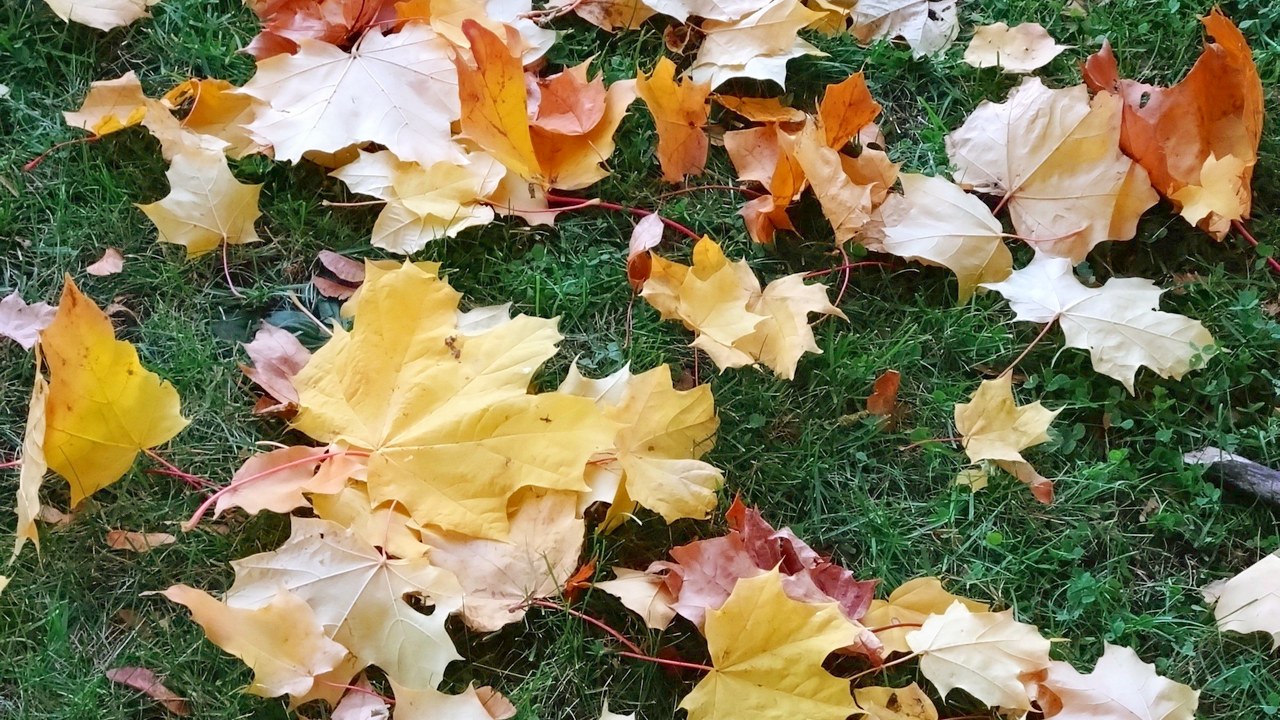
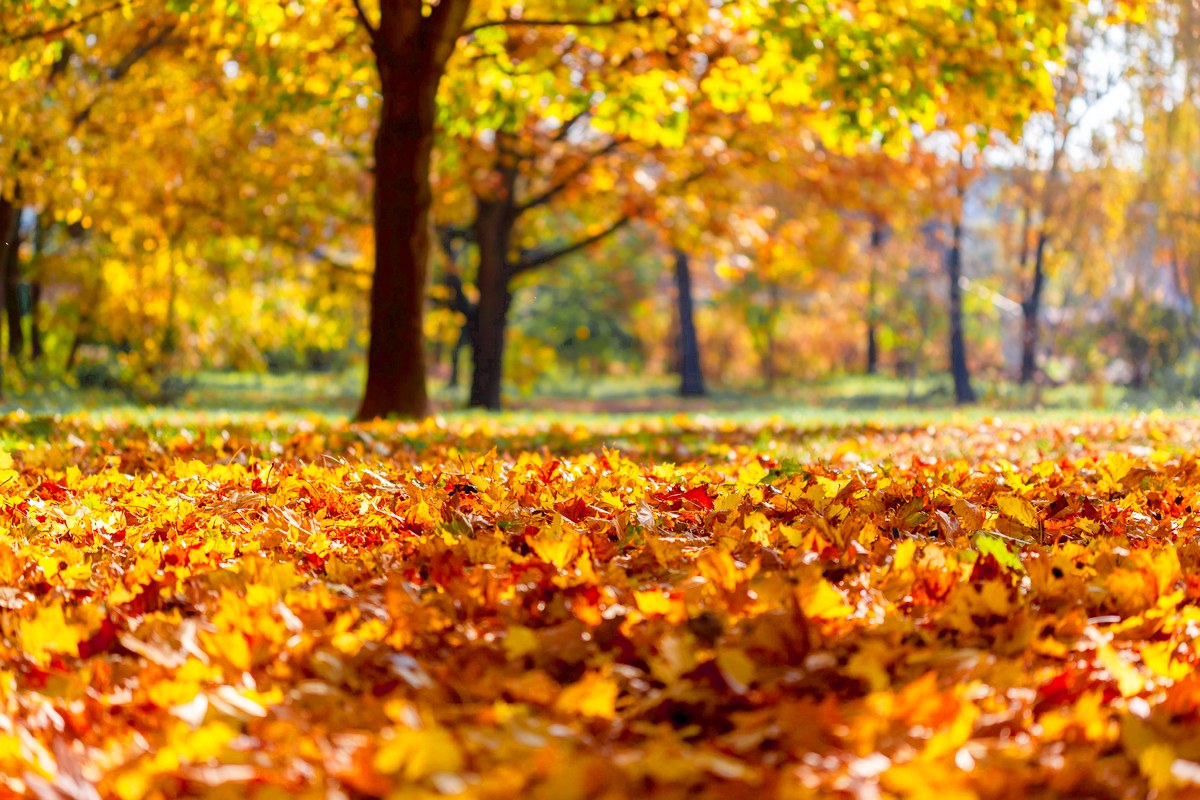
An early brown mat makes a polished lawn look neglected overnight. You are about to drag that early leaf pile to the curb and light it, or leave a brown mat that kills next weekend’s curb look. Dry Mid-South weather can push trees into premature drop long before the usual color peak. In Germantown, Collierville, Franklin, Brentwood, Belle Meade, Mountain Brook, Madison, and Fairhope, the fix is the same: treat early piles like fall leaves, not like a burn weekend. Mulch a thin dry layer, rake thick mats off tall fescue, shred overflow for beds, and water only when the lawn shows drought stress.
Drought can drop leaves early
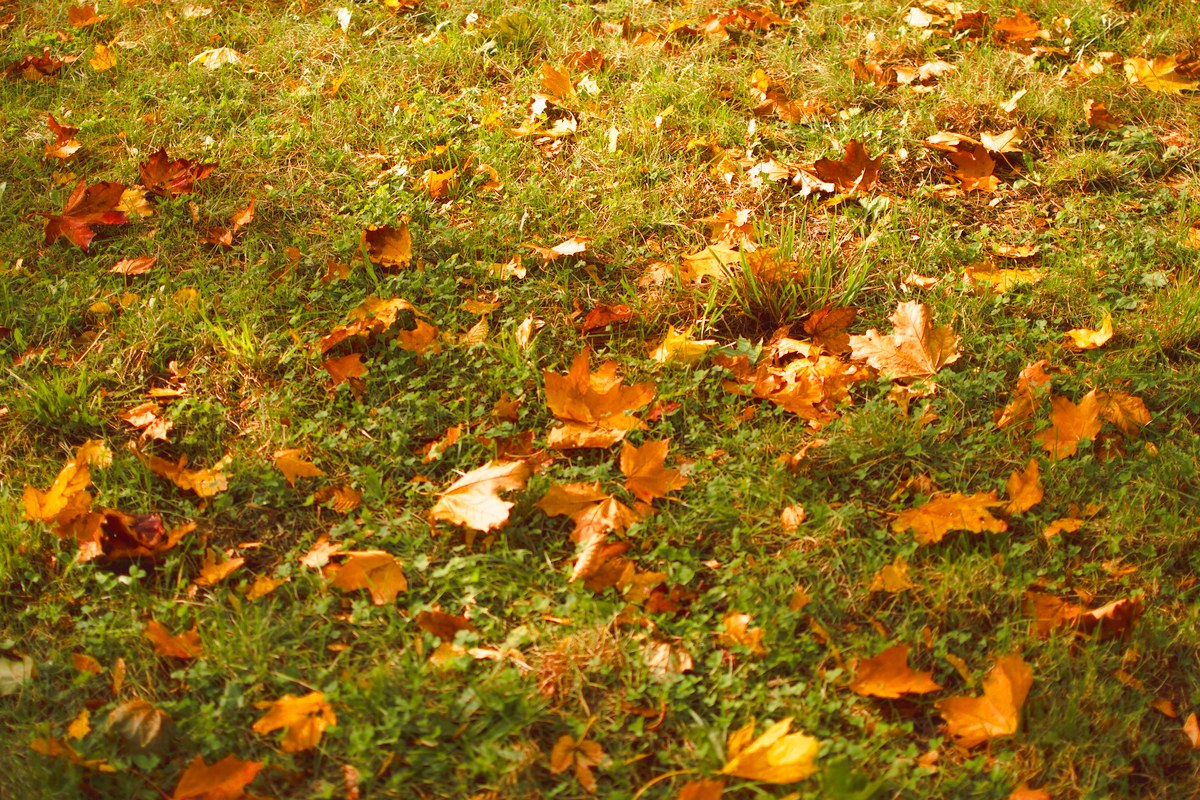
Extension does not publish one “drought leaf-drop date” for your zip code. What you see is real: stressed trees shed leaves sooner, and a dry lawn plus an overnight carpet of brown leaves reads unfinished from the street.
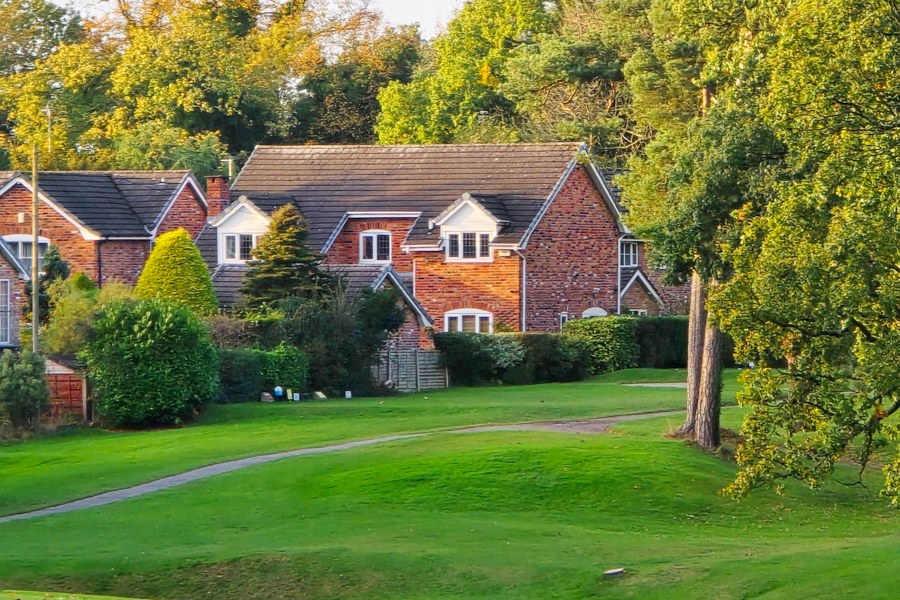
In Williamson County and over-the-mountain Birmingham, the same pattern shows up on estate fronts and suburban entries. This is not the mow-in vs rake decision alone. That piece assumes a normal drop. Here the focus is early drop and keeping the lawn and beds looking tended while weather stays dry.
Do not burn: mow thin, mulch beds
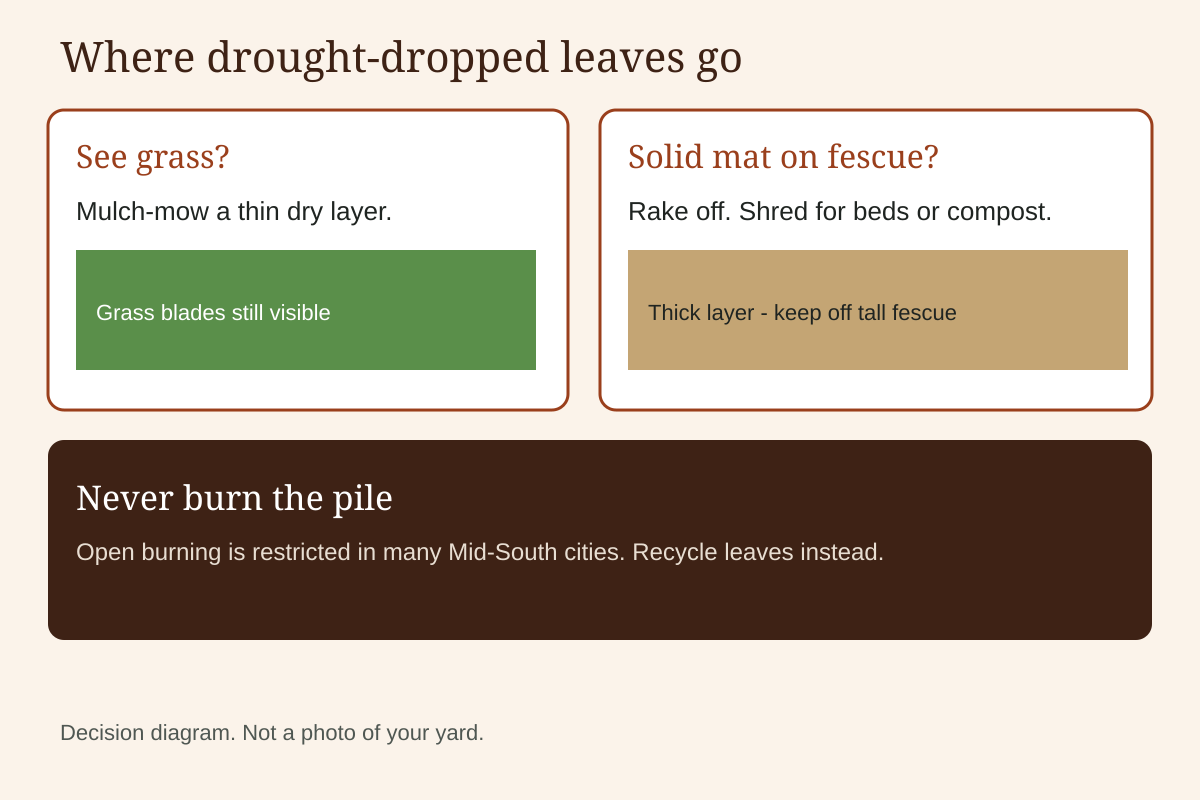
YardSeasons does not recommend burning leaves. Open burning is restricted in many Mid-South cities and counties and may require permits or be prohibited. Check your local rules. Recycle leaves by mulching a thin layer into the lawn, shredding them for beds, or composting the overflow instead.
Shelby County and many suburban fire codes treat open burning as tightly limited. Check your local rules before anyone suggests a backyard burn pile.
This weekend:
- Assume no burn. Check city and county rules if someone else suggests it.
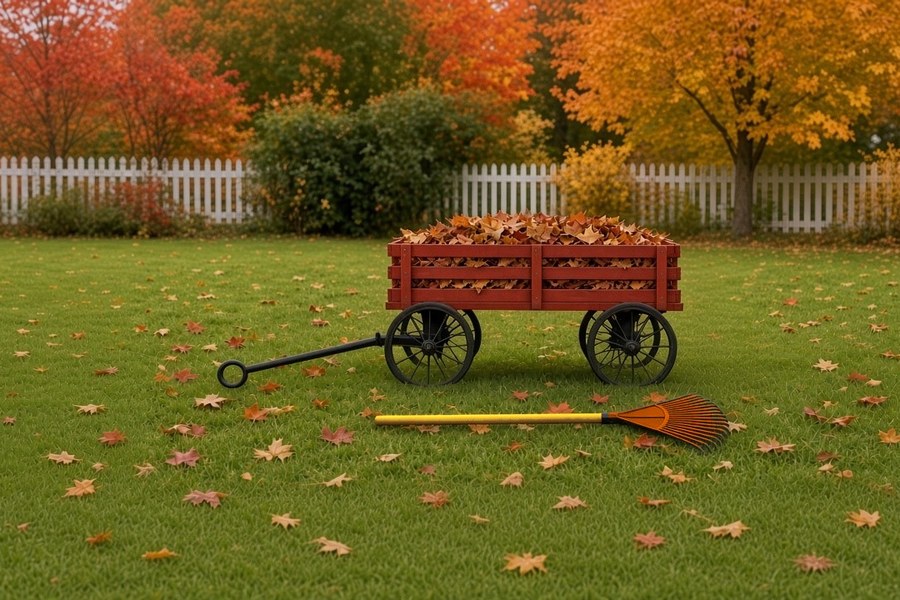
- If you can see grass through dry leaves, mulch-mow a thin layer (leaves guide).
- If the mat is solid or wet on tall fescue, rake it off (UT Gardens October outdoor tips).
- Shred overflow to about 2 to 3 inches on clay beds, or build a compost pile (compost the mat; ACES on recycling leaves).
Water for stress, not for habit
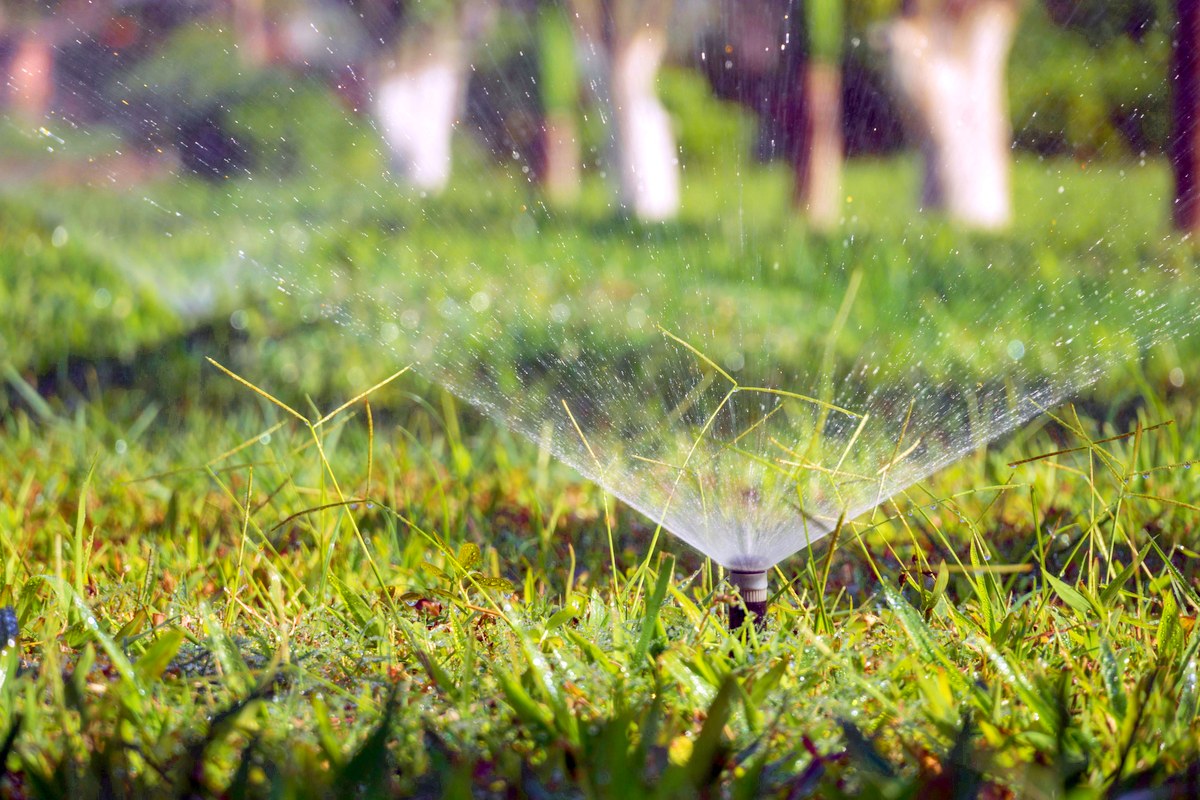
UT PB1903 tells tall fescue owners to irrigate only when signs of drought stress such as rolled leaves and lingering footprints are present. Alabama Extension ANR-0239 adds a bluish-gray cast, folding leaves, and applying about one-half to one inch of water to moisten the soil several inches deep, early morning, not a daily shallow sprinkle.
Tall fescue can take serious injury if left unwatered through drought. Warm-season lawns may brown and go dormant, then recover when rain returns. Watering for curb polish means responding to stress cues, not running the clock every Tuesday.
In your area: frost and hard-freeze timing
Leaf work is easier before repeated hard-freeze mornings. For Franklin and Brentwood, UT Extension’s Nashville station lists a 10% plan-by date around Oct 10 (W436) and an average first 32°F frost around Oct 29 (SP291-G Table 2). Germantown and Collierville readers can pair UT Shelby plan-by Oct 30 and average Nov 6 as cited data points. Birmingham’s NOAA 1991-2020 median first frost is about Nov 11. Use your area’s plan-by and average frost rows as anchors, not guesswork.
Keep the curb looking finished

Edges and beds sell the yard when the lawn is tired. Refresh ornamental mulch on foundation beds so bare clay rings do not frame the leaf mess (mulch beds for winter curb). Shredded leaves make free top-dress when depth stays in range on clay.
If overseed guilt is hitting you at the same time, read Missed the Mid-South Fescue Window? Do This Instead before you force seed on a warm October weekend.
This weekend
- Walk the front: thin dry layer vs solid mat on fescue.
- Mulch-mow thin, rake thick, shred for beds or compost. No burning.
- Water only on rolled leaves and lingering footprints (PB1903; ANR-0239).
- Touch bed edges and mulch so the street view stays polished.
- Add handle drought-dropped leaves on your YardSeasons calendar.
Next: Missed the Mid-South Fescue Window? Do This Instead. Related: Mulch Mid-South Beds Now for Winter Curb, Leaves: Mulch or Rake, Compost the Leaf Mat, and Fall Lawn Care Basics.