

































Disclosure: This article contains no paid links or sponsored mentions. If we add affiliate links later, we’ll mark them clearly. Planting dates vary by location, so use our ZIP frost calendar for yours.
Learning how to grow tomatoes from seeds gives you many more varieties to choose from instead of the handful at the garden center. It can also cost less than buying plants, especially if you grow several. All it takes is good timing, a warm spot to sprout the seed and a bright light to grow sturdy, compact seedlings.
Tomatoes are the most popular crop in home gardens, and for good reason. A healthy plant keeps producing for weeks, and a ripe tomato picked warm from the vine tastes nothing like one shipped across the country. Growing your own from seed puts that flavor within reach for anyone with a sunny yard or patio.
The process runs from late winter to late summer, with a few clear stages. You’ll pick your seeds, sow them indoors at the right time, care for the seedlings, harden them off, plant them outside and harvest. Each step is simple, and each one sets up the next for a strong start.
Choose the right tomato seeds
Tomato varieties come in two main growth types, and the difference matters for your space. Before you buy, check the packet or catalog for “determinate” or “indeterminate.” That one word tells you how big the plant gets, how much support it needs and when the fruit arrives.
Bush (determinate) types stay compact, usually around two to two and a half feet tall. They set most of their fruit at once, and it ripens over a few weeks, which suits canning and sauce. They’re also the best choice for growing tomatoes in pots and small gardens, since they don’t need much staking or trellising.
Vining (indeterminate) types keep growing all season, often reaching three to five feet or more. Most tomato varieties are vining. They need sturdy cages, stakes or trellises, and they keep flowering and ripening fruit until cold weather ends the season, giving you a longer, steadier harvest.
If you’ve had disease problems in past years, look for varieties labeled resistant or tolerant. Seed catalogs list these with short codes on each variety. Also check the days to harvest on the packet, so you can be sure the fruit will ripen before your first fall frost.
When to start tomato seeds indoors
Timing is the step most people get wrong when they grow tomatoes from seed. Many growers start them about five to six weeks indoors, then spend a week or two hardening them off before planting out. Plants started much earlier get tall and crowded indoors, and they rarely produce an earlier harvest for the trouble.
When to plant tomatoes outside depends on frost. They go out after all danger of frost has passed and the soil has warmed, which depends on where you live. Enter your ZIP code in our ZIP frost calendar to find your average last frost date, then plan to transplant a little after it.
Count back from that transplant day to find your sowing week, allowing five to six weeks indoors plus a week or two of hardening off. For example, if your frost calendar puts your planting-out day in mid-May, sow in late March or early April. If it falls in early April, sow in mid to late February.
How to grow tomatoes from seeds indoors
Sow tomato seeds about a quarter inch deep in small cells or pots filled with a sterile seed-starting mix. Every container needs drainage holes and a tray underneath. Water the mix before sowing so it’s evenly damp, then label each tray with the variety and the date.
Warmth makes the biggest difference for sprouting. A heat mat that keeps the mix around 75 to 85°F helps seeds come up quickly and evenly. Check moisture often, since a heat mat dries the mix faster. Once seedlings appear, a mix temperature near 70°F is ideal, and warm is better than cool.
Light comes next, and a sunny window usually isn’t enough. Hang a fluorescent or light-emitting diode (LED) light a few inches above the seedlings and raise it as they grow. Without bright light from directly overhead, tomato stems stretch and lean, and those weak plants struggle once they move outside.
When the first true leaves appear, thin or move seedlings so they’re about two inches apart. If you sowed two seeds per cell, snip the weaker one at the soil line instead of pulling it, so you don’t disturb the roots of the plant you’re keeping.
Care for seedlings as they grow
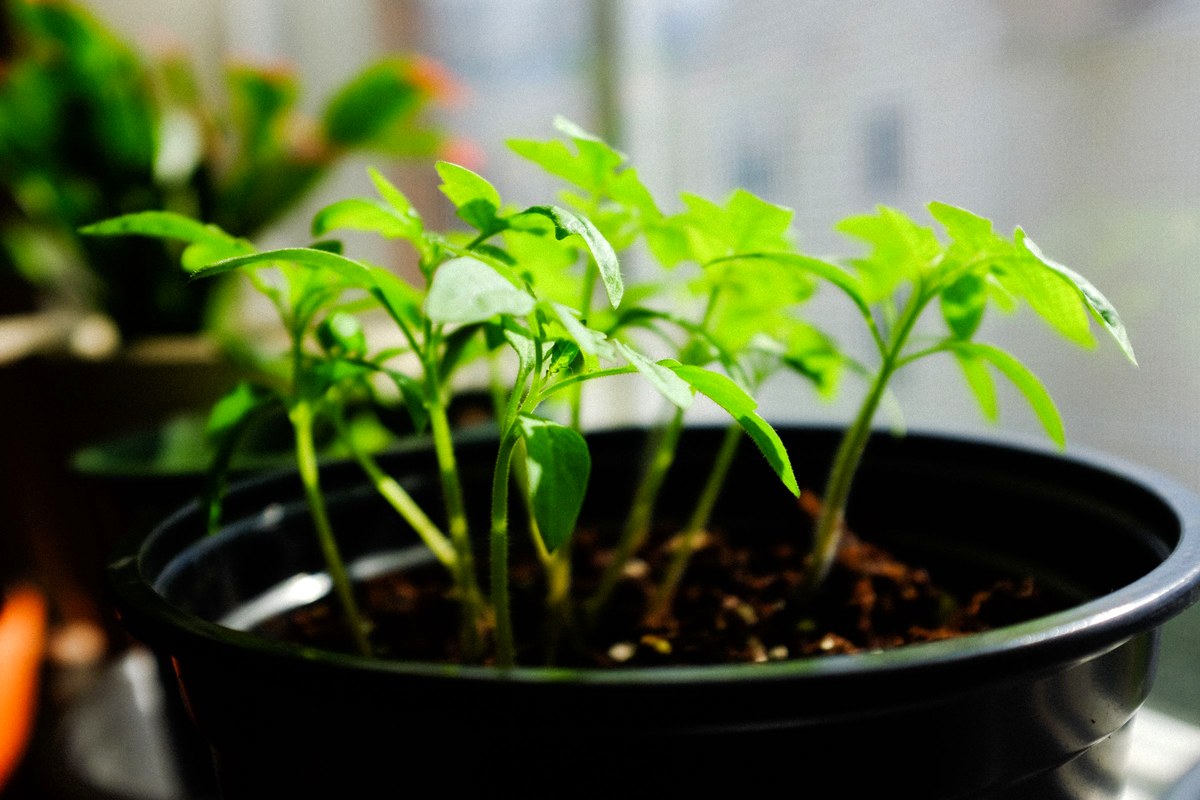
Healthy tomato seedlings are short and stocky, with thick stems and deep green leaves. Keep the mix moist but never soggy, and empty any water standing in the tray. Watering from below, by filling the tray and letting the mix soak it up, keeps the stems and leaves dry.
As seedlings grow, move any that crowd their cells into slightly larger pots. Tomatoes handle this well. Set each one a little deeper than it grew before, since tomato stems sprout new roots wherever they’re buried, and that builds a stronger root system for the garden.
Seedlings don’t need fertilizer until they have several sets of true leaves. After that, feed once a week with a general-purpose liquid fertilizer mixed weak, at about a quarter of the label strength. Water with plain water the rest of the week so roots don’t sit in strong fertilizer.
When plants are about five inches tall, ease back slightly on watering to toughen them up. Soon after, you can start hardening them off. A gradual change from indoor comfort to outdoor sun and wind is what keeps your seedlings from wilting or scorching later.
Fix common seedling problems
Tall, thin, leaning seedlings almost always mean too little light. Lower the light so it sits just a few inches above the leaves, and make sure it runs most of the day on a timer. New growth should come in shorter and sturdier within a week or so.
Seedlings that suddenly collapse at the soil line are often suffering from damping off, a disease that attacks tiny stems. Use fresh, sterile mix and clean containers, avoid soggy soil, and keep the mix warm. These habits matter every time you grow tomatoes from seed, so build them in from the first tray.
Harden off and transplant your seedlings
Hardening off takes about one to two weeks. Start by setting plants outside for a few hours in a spot with wind protection and a little sun. Each day, give them more time and more direct light, and bring them back in if nights get close to freezing.
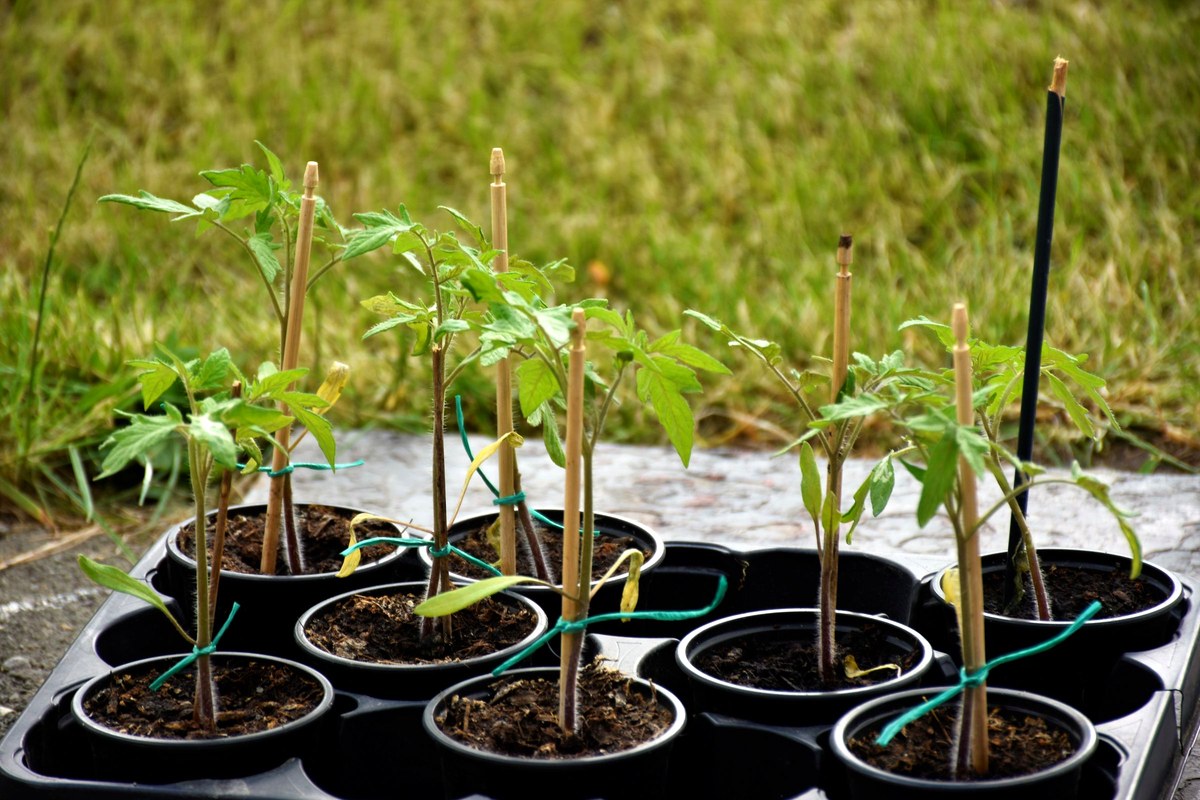
Pick a sunny garden spot where you haven’t grown tomatoes, potatoes, peppers or eggplant for the last three or four years. Rotating crops this way helps limit disease. Give vining plants about two to three feet in every direction, and set bush types a little closer together.
Plant on a cloudy, calm day or late in the afternoon. Water the seedlings well first. Then dig a trench three to four inches deep, strip the lowest leaves, and lay each plant on its side, burying the stem up to just below the remaining leaves. The buried stem will grow new roots.
Put cages, stakes or trellises in place at planting time, before roots spread. Adding supports later can damage the roots you just worked to grow. Firm the soil around each plant and water it in well, and expect a little wilting the first day as plants settle in.
Keep plants healthy through harvest
Steady moisture is the key to good fruit. Aim for about an inch of water a week from rain or watering, and soak the soil deeply instead of sprinkling lightly. Uneven watering while fruit grows can lead to blossom-end rot, a dark, sunken patch on the bottom of the fruit.
Water at the base of the plant rather than over the leaves, since wet foliage is more prone to disease. A few inches of weed-free straw or other organic mulch keeps soil moist, cuts down on weeds and stops soil from splashing onto the lower leaves during rain.
Feed lightly. Too much nitrogen gives you big, leafy plants that are slow to set fruit. When the first fruits start to swell, a side dressing of fertilizer along the row is usually enough, and rich, compost-amended soil may not need much more than that.
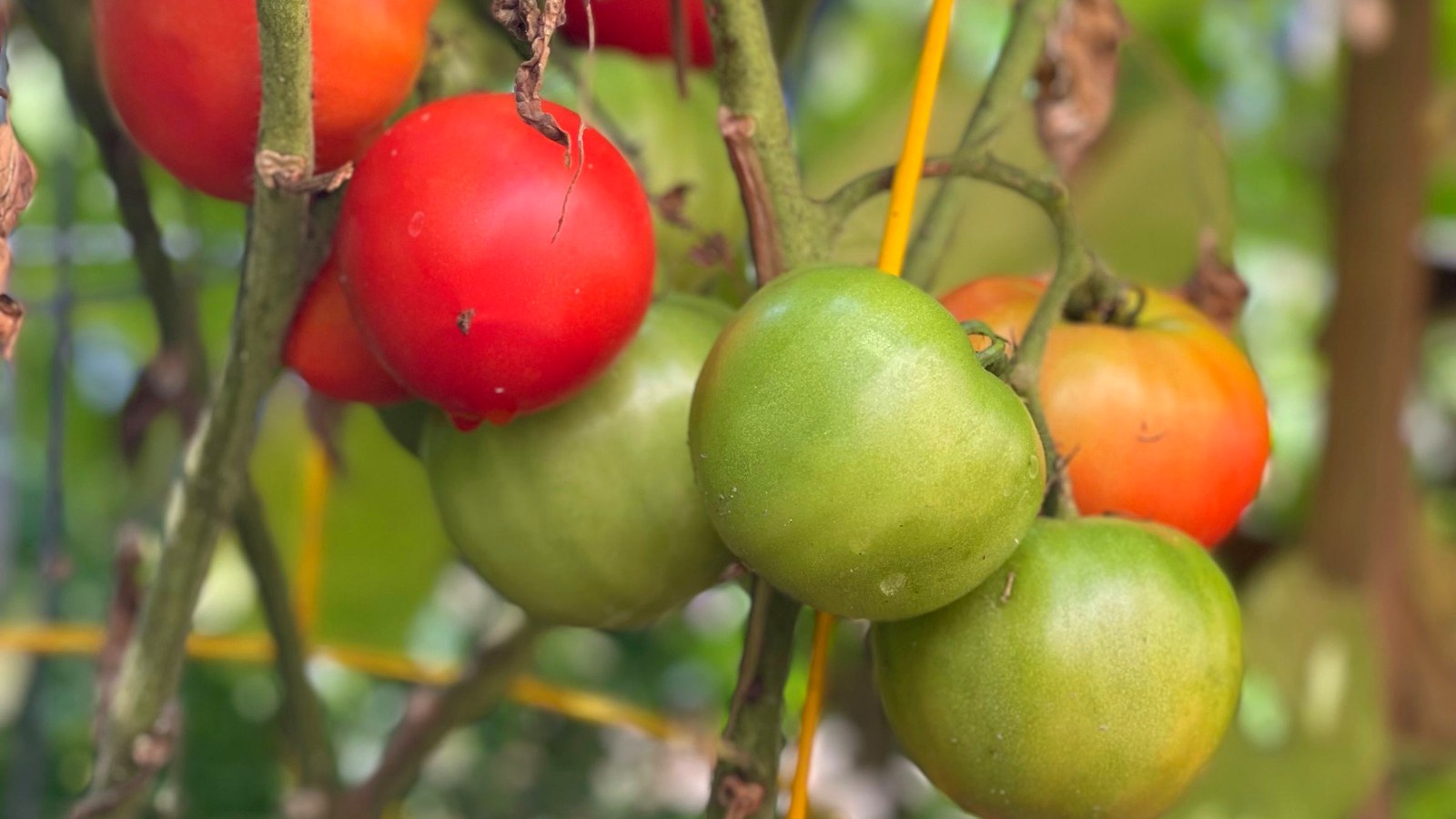
Pick tomatoes when they reach full size and color. When frost threatens at the end of the season, bring in fruit that has started to turn pale or pink. Let it ripen at room temperature, spaced in a single layer. Fully green fruit rarely ripens to good flavor.
A note on saving seed from fresh tomatoes
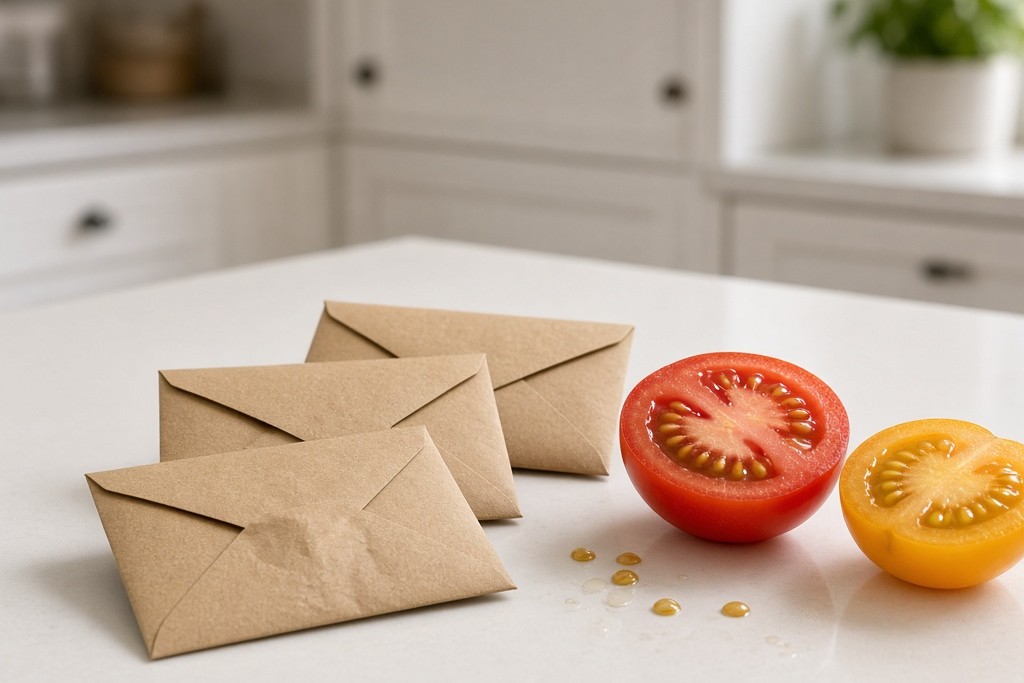
Many people wonder whether they can grow tomatoes from seeds saved from a tomato they ate. You can, though results vary. Seed from many hybrid varieties won’t grow true to the parent, so the fruit may look and taste different. Open-pollinated and heirloom varieties are the more reliable choice for saving seed.
Your tomato plan for spring
Growing tomatoes from seed comes down to a few habits. Pick varieties that suit your space, sow about five to six weeks before planting out, plus a week or two for hardening off, and give seedlings warmth and strong light. Harden them off, plant them deep and keep the water steady.
Your first step is finding your frost date with the calendar linked below, so you know exactly when to sow.